1. Project Background
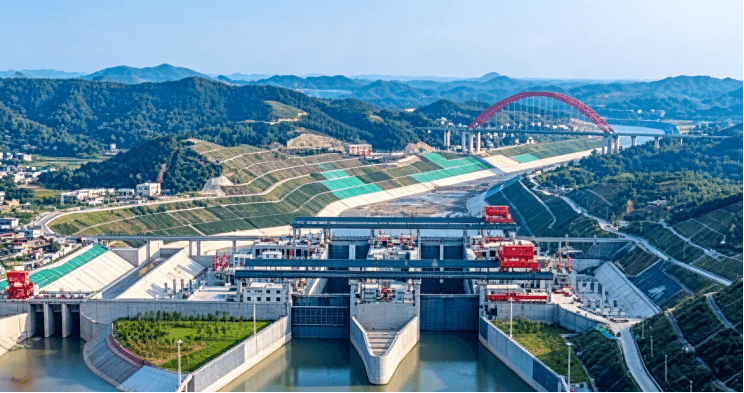
The Pinglu Canal is a landmark project and a key component of the New International Land-Sea Trade Corridor in Western China. It is also one of China's major transportation infrastructure projects under the 14th Five-Year Plan and the first canal in the country since the founding of the People's Republic of China designed to connect a major river system directly to the sea.
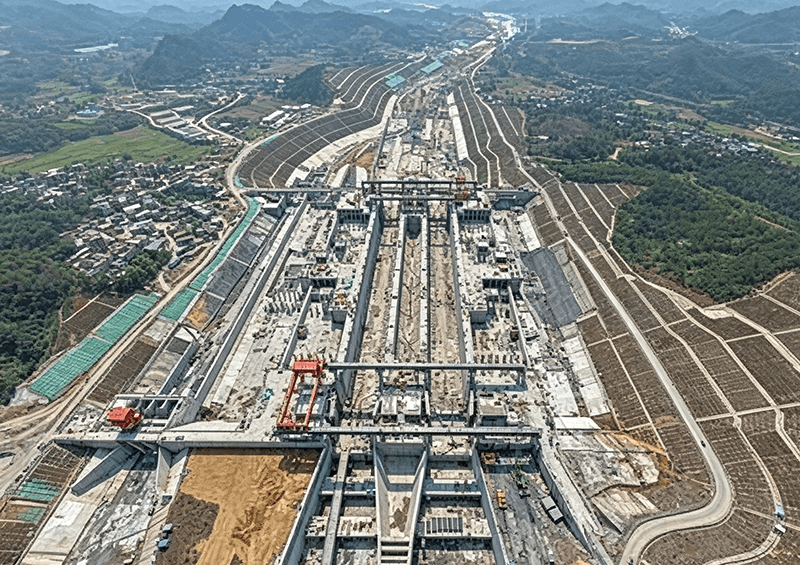
The canal starts from the Pingkeng River estuary in the Xijin Reservoir area of Hengzhou, Nanning, passes through Luwu Town in Lingshan County, Qinzhou, and connects to the Beibu Gulf. The canal has a total length of approximately 134.2 km and is being developed as a Class I inland waterway, capable of accommodating vessels of up to 5,000 tons.
The project includes three major navigation hubs—Madao, Qishi, and Qingnian—as well as 27 cross-river bridges, channel protection works, supporting hydraulic structures, and other auxiliary facilities.
Once completed, the Pinglu Canal will significantly shorten the shipping route from southwestern China to the sea and create a major river-sea intermodal transport corridor connecting the Xijiang River system with the Beibu Gulf.
2. Steel Supply Scope
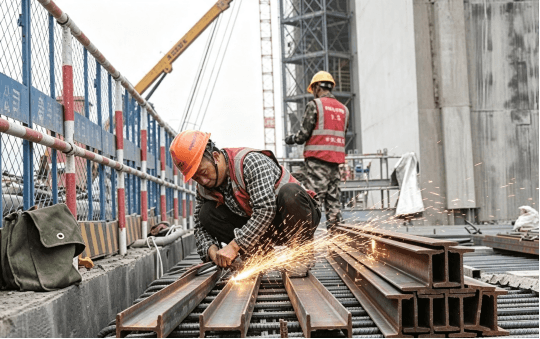
Our steel supply project supports multiple construction sections along the Pinglu Canal, providing a comprehensive range of construction steel for navigation hubs, ship locks, cross-river bridges, channel protection works, supporting buildings, and temporary facilities.
The main products supplied include:
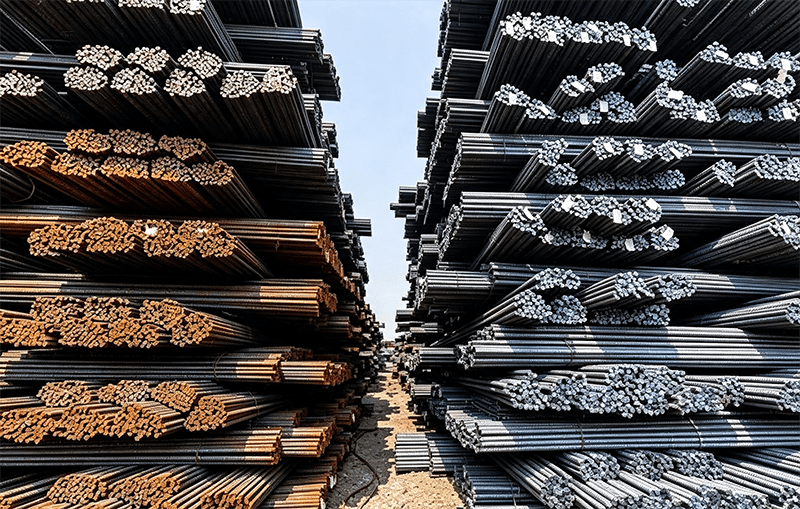
· HRB400E rebar
· Deformed steel coils
· Hot-rolled round steel
· Steel plates
· Angle steel
· Channel steel
· Steel pipes
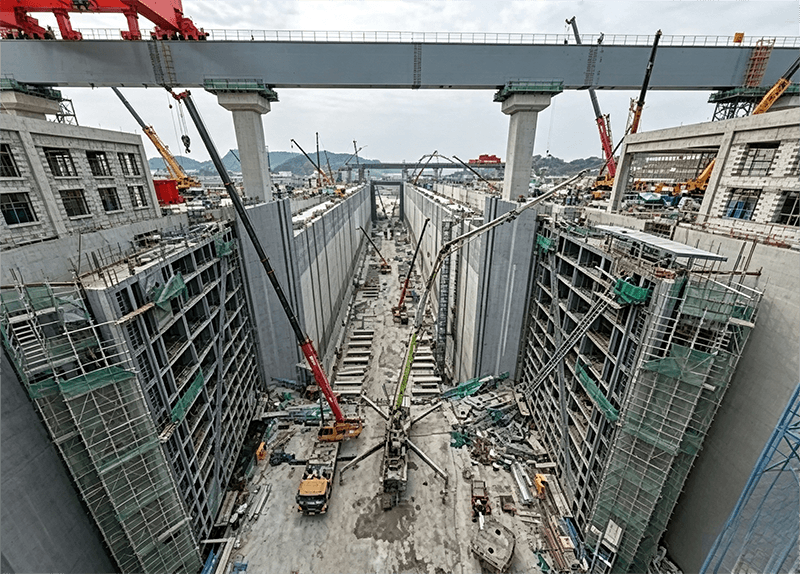
These steel products are widely used in key structural components, including reinforced concrete structures for ship locks, bridge piles and pile caps, steel box girders, channel slope protection systems, underwater structures, and temporary site facilities.
Due to the complex geological conditions along the project and the long-term exposure of hydraulic structures to humid and corrosive environments, the project has strict requirements for the mechanical properties, toughness, surface quality, dimensional accuracy, and delivery reliability of construction steel.
All supplied steel products comply with applicable Chinese national standards and are selected to meet the high-quality and long-term durability requirements of this major infrastructure project.
3. Supply & Logistics Capability
Leveraging Guangxi's strong local steel industry resources, we have established stable supply channels capable of supporting large-volume and continuous steel deliveries.
Our supply network is supported by warehousing, processing, and a flexible road and waterway logistics system, allowing us to serve construction sites along the Nanning–Qinzhou corridor.
We have established an integrated service system covering:
· Order planning and production scheduling
· Real-time logistics tracking
· On-site delivery and acceptance
· Dynamic allocation based on construction progress
· Quality inspection documentation with each shipment
· Sampling and testing support
· Technical coordination
· Custom production for special specifications
By continuously adjusting deliveries according to the construction schedule, we help ensure uninterrupted material supply across multiple construction sections operating simultaneously.
4. Project Value
Steel is one of the key structural materials supporting the Pinglu Canal project. Its quality and supply reliability directly affect the structural safety, durability, and construction progress of permanent hydraulic structures such as navigation hubs, ship locks, and bridges.
Stable and efficient steel supply helps construction teams maintain their schedules and complete critical construction milestones across the project.
Through this major infrastructure project, we are continuing to strengthen our capabilities in the supply of construction steel for waterway, bridge, road, and hydraulic engineering projects in Guangxi.
>We are committed to building a professional and reliable steel supply system that supports major infrastructure development and contributes to the construction of the New International Land-Sea Trade Corridor in Western China.